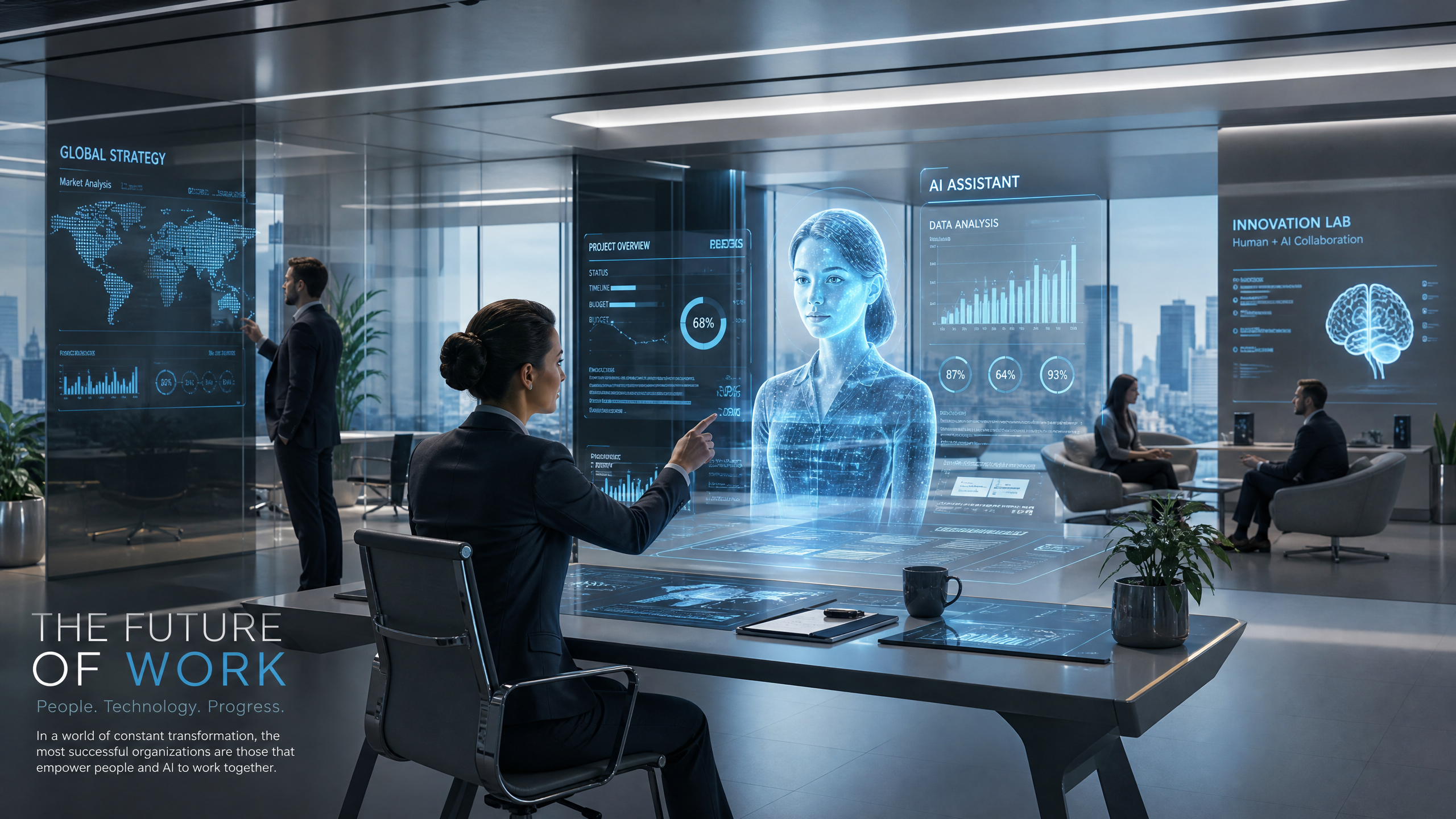
Artificial Intelligence (AI) is no longer a futuristic concept but a present-day reality, silently revolutionizing corporate efficiency across industries. In 2026, AI’s integration into business operations has moved beyond mere automation, evolving into sophisticated systems that predict trends, optimize workflows, and personalize customer experiences at an unprecedented scale. This shift is not just about replacing human tasks but augmenting human capabilities, allowing businesses to achieve higher levels of productivity and innovation.
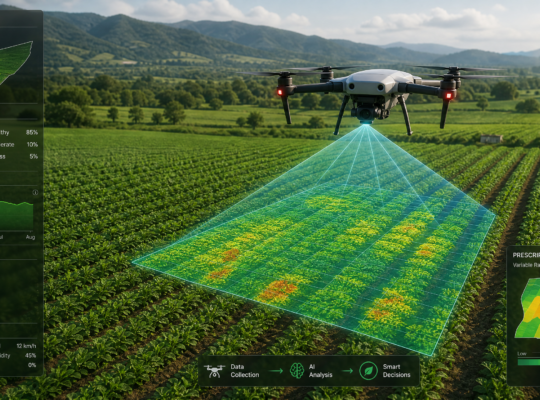
One of the most significant impacts of AI is in data analysis. AI-powered algorithms can process vast amounts of data far quicker and more accurately than human analysts, identifying patterns and insights that would otherwise remain hidden. This capability enables companies to make data-driven decisions with greater confidence, leading to optimized resource allocation, improved market strategies, and enhanced risk management. From financial forecasting to supply chain optimization, AI is providing the intelligence needed to navigate complex business landscapes.
Furthermore, AI is transforming customer service through intelligent chatbots and virtual assistants. These tools handle routine inquiries, resolve common issues, and guide customers through processes, freeing up human agents to focus on more complex and nuanced interactions. This not only improves customer satisfaction by providing instant support but also significantly reduces operational costs for businesses. The continuous learning capabilities of these AI systems mean they become more efficient and effective over time, offering increasingly personalized and proactive support.
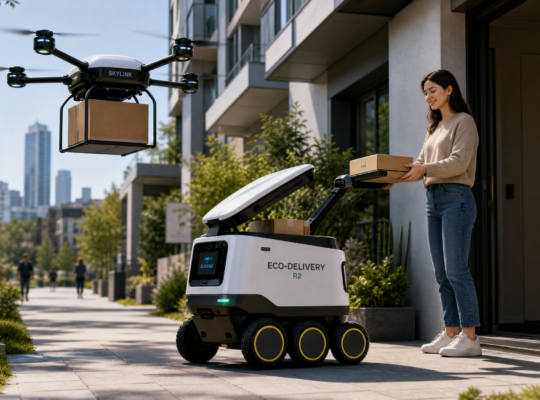
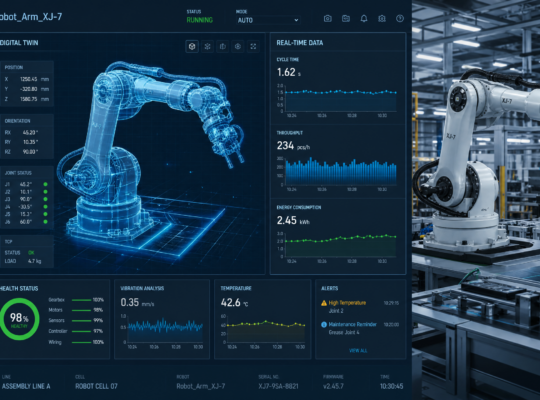
In manufacturing and logistics, AI is driving efficiency through predictive maintenance, quality control, and route optimization. By analyzing sensor data from machinery, AI can predict potential failures before they occur, minimizing downtime and maintenance costs. In logistics, AI algorithms optimize delivery routes and schedules, reducing fuel consumption and speeding up delivery times. The integration of AI in these sectors is creating leaner, more responsive, and more sustainable operations.
As we move further into 2020s, the silent revolution of AI continues to reshape the corporate world. Businesses that embrace AI not just as a tool but as a strategic partner are poised to gain a significant competitive advantage, driving efficiency, fostering innovation, and setting new benchmarks for success.