As the global population continues to expand, the demand for food intensifies, placing immense pressure on agricultural systems. AgriTech, specifically precision farming, is emerging as a critical solution, leveraging data and advanced technologies to optimize crop yields, minimize resource waste, and ensure sustainable food production. In 2026, precision farming is no longer a futuristic concept but a widespread practice, transforming traditional agriculture into a data-driven science.
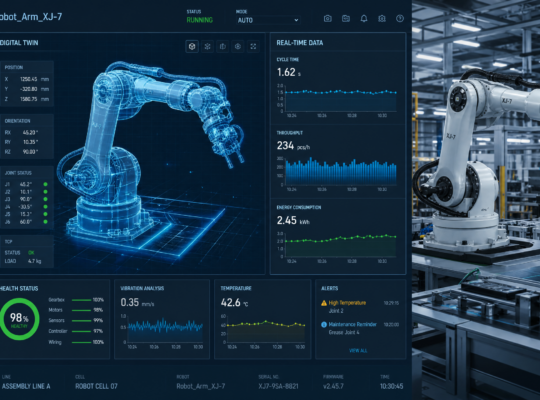
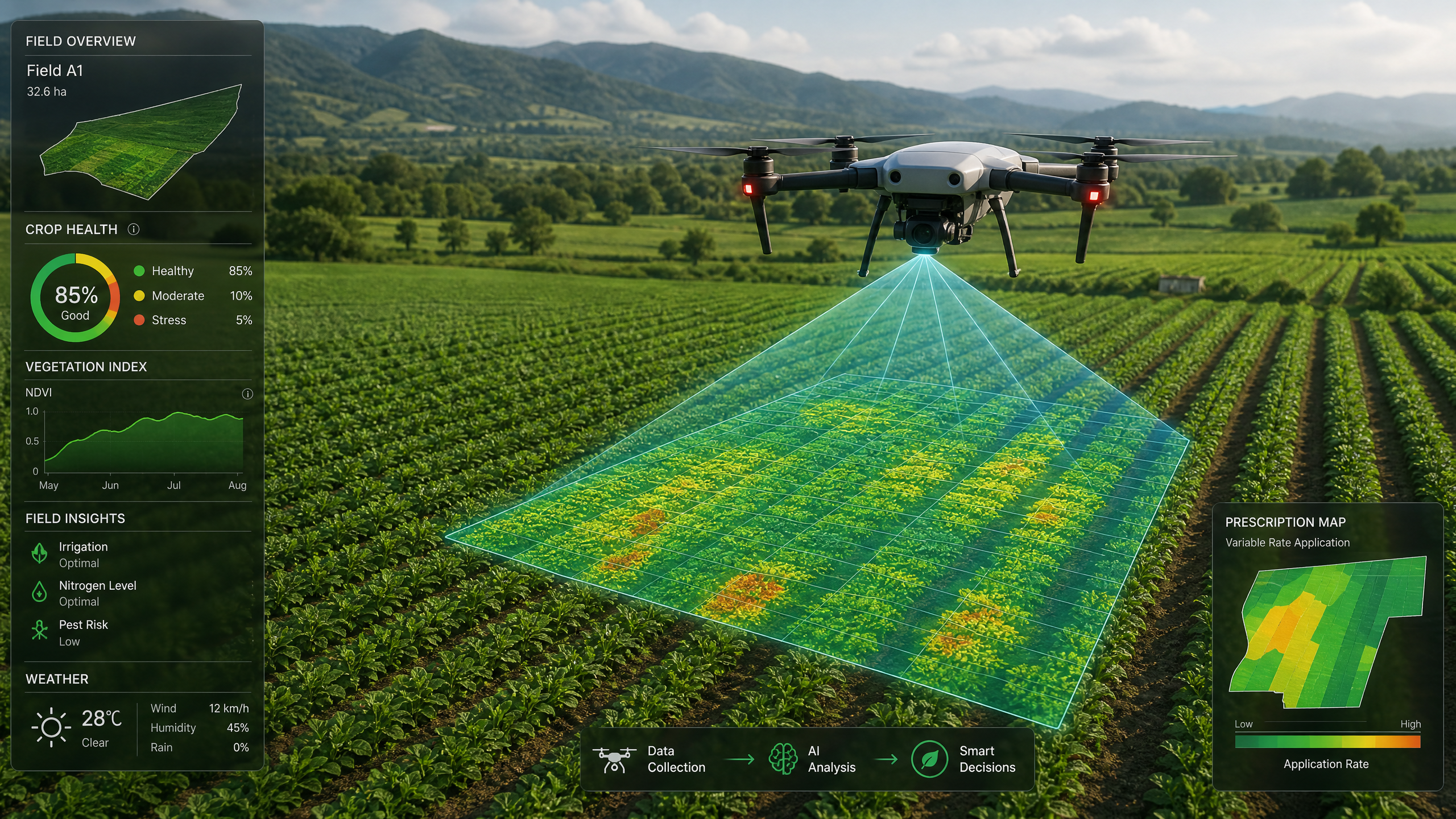
At the core of precision farming is the collection and analysis of vast amounts of data. Drones equipped with multispectral cameras, satellite imagery, ground-based sensors, and IoT devices gather real-time information on soil conditions, crop health, weather patterns, and pest infestations. This data is then fed into sophisticated AI algorithms that generate actionable insights, allowing farmers to make highly informed decisions about planting, irrigation, fertilization, and pest control.
One of the most significant benefits of precision farming is the optimized use of resources. Instead of applying water, fertilizers, or pesticides uniformly across an entire field, precision techniques enable targeted application only where and when needed. This not only reduces input costs for farmers but also minimizes environmental impact by preventing overuse and runoff. For instance, variable rate technology allows for precise nutrient delivery, ensuring each plant receives the optimal amount for growth.
Furthermore, precision farming enhances crop monitoring and early detection of issues. By continuously analyzing data, farmers can identify subtle changes in plant health or the onset of diseases and pests much earlier than traditional methods. This proactive approach allows for timely interventions, preventing widespread crop loss and ensuring healthier harvests. The ability to predict yields with greater accuracy also aids in market planning and supply chain management.
While the initial investment in precision farming technologies can be substantial, the long-term benefits in terms of increased efficiency, reduced costs, and improved sustainability are undeniable. As technology continues to advance and become more accessible, precision farming is set to play an even more crucial role in addressing global food security challenges, ensuring that a growing population can be fed efficiently and sustainably.