The travel industry is undergoing a significant transformation, driven by a growing awareness of environmental impact and a desire for authentic, meaningful experiences. In 2026, the concept of eco-luxury has emerged as a powerful force, redefining high-end travel for the conscious consumer. This isn’t just about sustainable practices; it’s about seamlessly integrating environmental responsibility and social consciousness with unparalleled comfort, exclusivity, and personalized service.
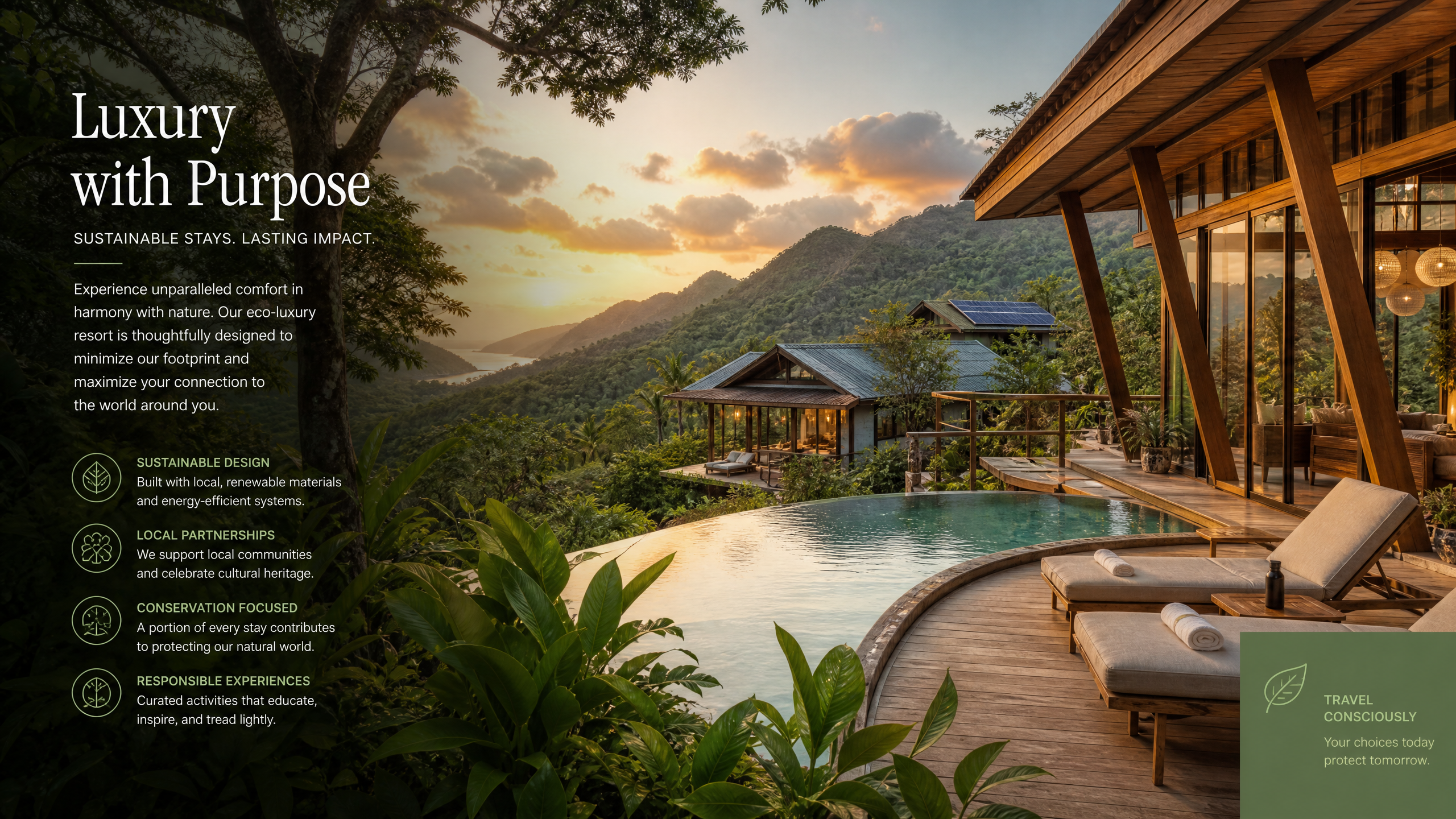
Eco-luxury destinations and experiences are characterized by their commitment to minimizing their ecological footprint while maximizing positive contributions to local communities. This includes everything from resorts powered by renewable energy and built with locally sourced, sustainable materials, to tours that support conservation efforts and engage with indigenous cultures respectfully. The focus is on immersive experiences that connect travelers with nature and local heritage, rather than simply consuming them.
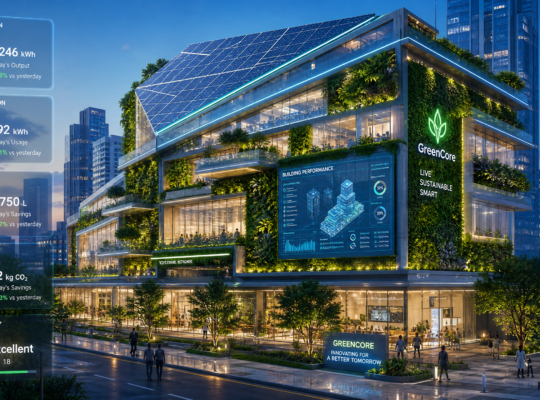
Technology plays a crucial role in enabling eco-luxury. Advanced waste management systems, water recycling technologies, and smart energy solutions are becoming standard. Digital platforms facilitate transparent communication about sustainability initiatives, allowing travelers to make informed choices. Furthermore, AI-driven personalization helps tailor itineraries that align with a traveler’s values, ensuring that their journey is not only luxurious but also impactful.
The appeal of eco-luxury extends beyond environmental benefits. Conscious consumers are seeking unique, authentic experiences that offer a deeper connection to the places they visit. They value the peace of mind that comes from knowing their travel choices are contributing positively to the world. This demographic is willing to pay a premium for experiences that offer both indulgence and integrity, driving innovation and investment in sustainable tourism practices.
As the demand for responsible travel continues to grow, eco-luxury is setting new benchmarks for the entire hospitality sector. It demonstrates that luxury and sustainability are not mutually exclusive but can, in fact, enhance each other. For businesses in the travel industry, embracing eco-luxury is not just a moral imperative but a strategic advantage, appealing to a discerning market that values both opulence and a positive global impact.