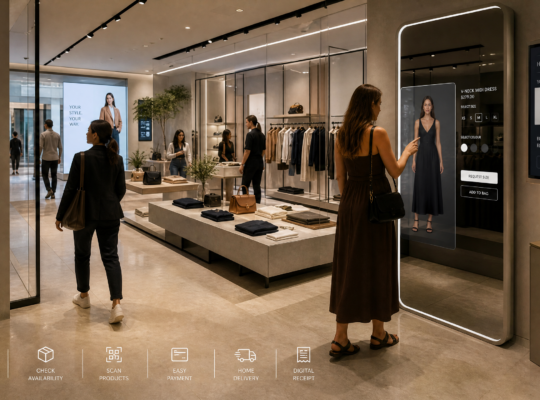
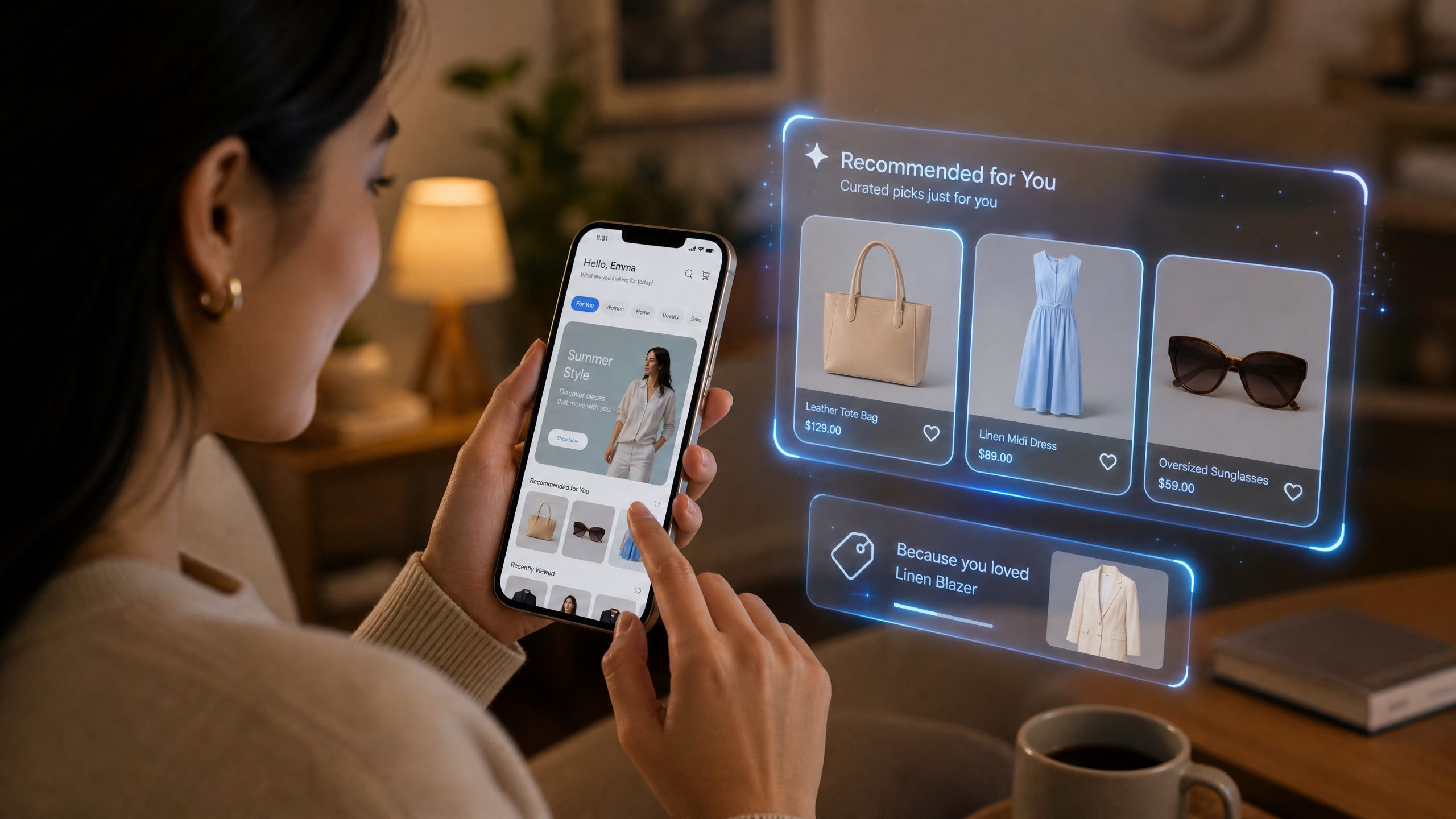
The e-commerce landscape is constantly evolving, and in 2026, hyper-personalization has emerged as the defining trend, especially within the direct-to-consumer (DTC) retail sector. Moving beyond basic recommendations, hyper-personalization leverages advanced AI, machine learning, and real-time data analytics to create a truly unique and individualized shopping experience for every customer. This isn’t just about suggesting products; it’s about anticipating needs, tailoring content, and optimizing the entire customer journey from discovery to post-purchase support.
At its core, hyper-personalization is driven by a deep understanding of individual customer behavior, preferences, and even emotional states. Retailers are now collecting and analyzing data points that include browsing history, purchase patterns, social media interactions, geographic location, and even biometric data (with explicit consent). This rich data allows for dynamic website layouts, personalized product assortments, custom pricing, and even bespoke marketing messages delivered at the optimal time through the preferred channel.
The benefits for DTC brands are manifold. Increased customer engagement and loyalty are primary outcomes, as shoppers feel understood and valued. This leads to higher conversion rates, larger average order values, and reduced customer churn. Furthermore, by presenting highly relevant products and content, brands can minimize decision fatigue for consumers, streamlining the purchasing process and enhancing overall satisfaction. The efficiency gained in marketing spend, by targeting only those most likely to convert, also contributes significantly to profitability.
However, implementing hyper-personalization effectively requires robust technological infrastructure and a strong commitment to data privacy and ethical AI practices. Consumers are increasingly aware of their digital footprint, and transparency about data usage is paramount. Brands that can strike the right balance between delivering tailored experiences and respecting privacy will be the ones to thrive in this new era of retail. As the competition intensifies, hyper-personalization is no longer a luxury but a necessity for DTC brands aiming to capture and retain market share.