As the global imperative for climate action intensifies, 2026 marks a critical juncture where businesses are moving beyond aspirational goals to concrete, actionable strategies for achieving net-zero emissions. For corporate leaders, this isn’t merely a compliance exercise but a fundamental redefinition of corporate value, driven by sustainable leadership and strategic innovation. The focus has shifted to making impactful choices that balance economic growth with environmental stewardship.
Making the Tough Choices: From Reporting to Real-World Impact
In previous years, sustainability efforts often centered on broad initiatives and reporting frameworks. However, the current landscape demands tangible, measurable impact. Leaders are now confronted with the necessity of prioritizing initiatives that genuinely contribute to net-zero targets, even if these decisions challenge long-standing operational practices. This strategic evolution encompasses:
Strategic Prioritization: Identifying and investing in high-impact areas for decarbonization, such as the widespread adoption of renewable energy, optimizing complex supply chains, and integrating circular economy principles into core business models.
Integrated Decision-Making: Embedding sustainability considerations into every facet of business operations, from initial product development and design to significant capital investments and market expansion strategies.
Transparent Accountability: Moving beyond mere aspirational targets to implement robust measurement, verification, and public reporting mechanisms that clearly demonstrate verifiable progress towards net-zero objectives. This includes adherence to evolving regulatory standards and stakeholder expectations.
The Role of AI in Accelerating Decarbonization
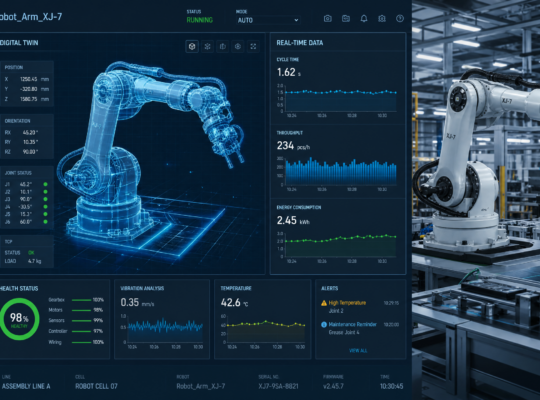
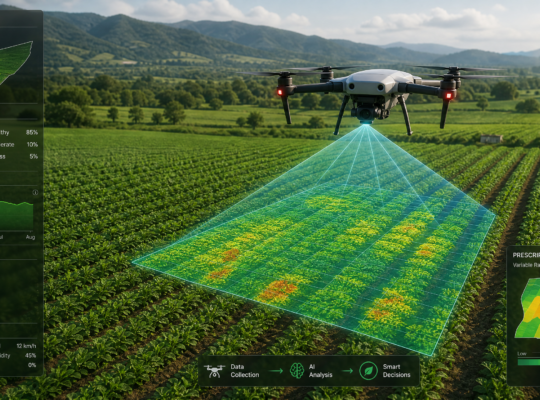
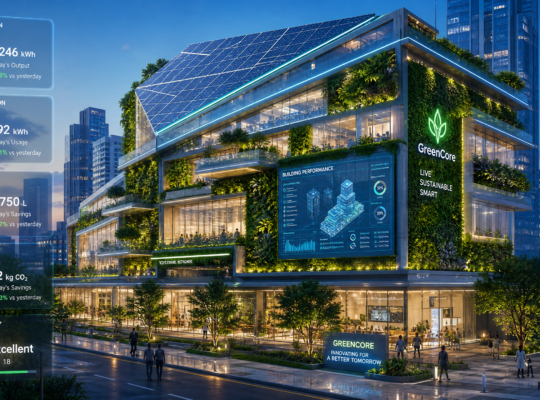
Artificial intelligence (AI) is rapidly emerging as a pivotal tool in the global pursuit of net-zero. AI-driven solutions offer unprecedented capabilities to optimize energy consumption across diverse sectors, from smart buildings and industrial processes to enhancing the efficiency and stability of renewable energy grids. Furthermore, AI can significantly improve waste management systems by predicting patterns and optimizing recycling processes. For instance, AI algorithms can analyze vast datasets to identify inefficiencies and predict optimal operational adjustments that lead to substantial reductions in carbon footprints. Sustainable leaders are increasingly leveraging these advanced technologies to accelerate their decarbonization efforts, effectively transforming complex environmental challenges into actionable and measurable insights.
Redefining Corporate Value
The transition to a net-zero economy is fundamentally reshaping how corporate value is perceived, measured, and communicated. Companies that demonstrate genuine commitment and make verifiable progress towards sustainability are increasingly attracting more investment capital, enhancing their brand reputation, and fostering greater employee engagement and loyalty. This holistic approach to value creation extends significantly beyond traditional financial metrics, encompassing profound environmental and social impacts. It reflects a growing understanding among stakeholders that long-term prosperity and business resilience are inextricably linked to planetary well-being and responsible resource management.
Conclusion
The Net-Zero Mandate of 2026 represents a defining moment for corporate leadership. By making strategic, often challenging, decisions, proactively leveraging advanced technologies like AI, and fostering a pervasive culture of transparent accountability, businesses can not only meet their critical environmental responsibilities but also unlock new and significant avenues for innovation, sustainable growth, and enduring value in an increasingly environmentally conscious future.