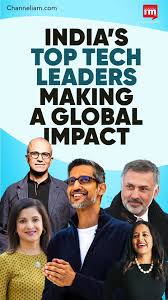
In a rapidly evolving economy, Indian technology leaders are actively engaging in the global changes occurring around them and are truly bringing these changes to fruition. In the meeting spaces of Silicon Valley and the flourishing digital landscape in India, these leaders demonstrate a remarkable blend of technical expertise, adaptability to diverse cultures, and a purpose-driven vision.
Sundar Pichai, one of the leaders overseeing Google, has demonstrated that the firm is progressing toward a future where Artificial Intelligence is the primary emphasis. His method of operating is subtle, yet it leaves a mark. He emphasizes creating products that provide access to information for all, ensuring that artificial intelligence is used responsibly in the process. In A like manner, Satya Nadella has transformed Microsoft’s leadership approach by ensuring that innovation occurs with empathy, which has elevated the company to a significant position in the cloud and artificial intelligence sectors while also improving the company culture.
What distinguishes these leaders is their ability to balance the requirement to be large with the requirement to be empathetic. Arvind Krishna serves as an illustration of this. He concentrates on hybrid cloud and enterprise artificial intelligence at IBM, aiding legacy systems in becoming modern and prepared for the future. Shantanu Narayen has effectively transformed Adobe into a leader in digital experiences by implementing a subscription model, demonstrating that adaptation is essential for maintaining relevance.
It’s not only the large international firms that are thriving. The narrative of technology in India is quite fascinating as well. Nandan Nilekani continues to influence the basis of public infrastructure through initiatives like Aadhaar, which aids in integrating many individuals into the digital realm. Debjani Ghosh is playing a crucial role in ensuring that industry, policy, and innovation collaborate to establish India as a center for digital talent.
What we observe here is a method of guiding. A humble person considers the future and is capable of managing intricate matters across various regions and cultures. These leaders aren’t solely generating profits for the individuals who own the businesses. They are truly molding the world, affecting governmental operations and altering how technology aids individuals. For those responsible for technology and innovation today, the message is evident: merely excelling at technology is no longer sufficient. The future is in the hands of leaders who can unite technology with purpose, be both ambitious and accountable, and ensure that innovation benefits all.