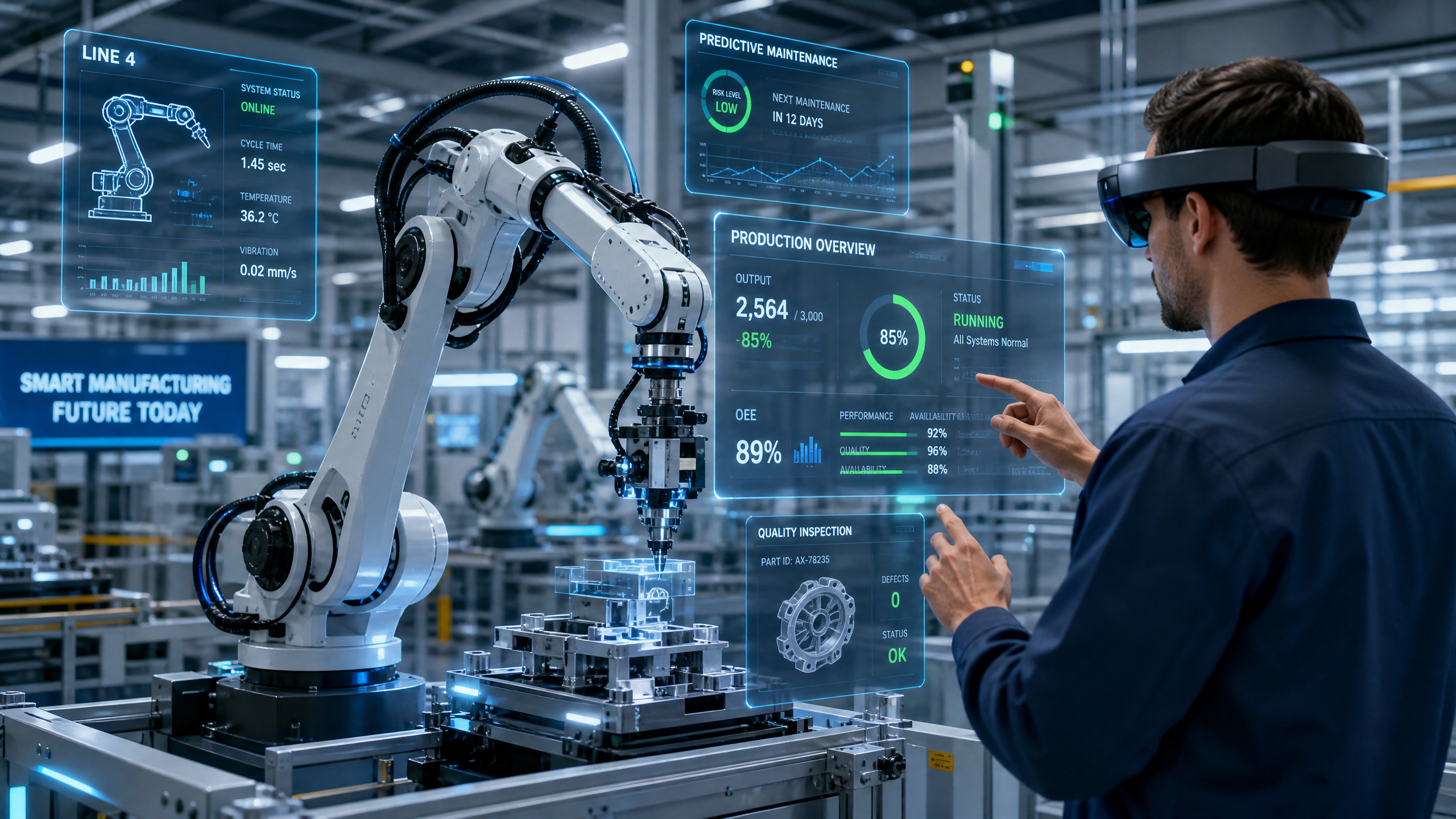
As Industry 4.0 matures, the manufacturing sector is witnessing a profound transformation, moving beyond mere automation to a new paradigm of human-machine synergy. In 2026, the focus is on optimizing collaboration between advanced robotics, artificial intelligence, and skilled human workforces, creating a more agile, efficient, and resilient production ecosystem. This evolution is redefining manufacturing excellence, emphasizing human-centric approaches within highly automated environments.
The Evolution of Industry 4.0: Towards Human-Centric Manufacturing
Initially, Industry 4.0 was largely characterized by the integration of cyber-physical systems, the Internet of Things (IoT), and big data analytics to create smart factories. While these foundational elements remain crucial, the next phase prioritizes the human element. The goal is not to replace human workers but to augment their capabilities, empowering them with real-time data and intelligent tools to make faster, more informed decisions. This human-centric shift is driven by the recognition that human creativity, problem-solving skills, and adaptability are indispensable, even in the most advanced manufacturing settings.
Real-Time Data and Agentic Systems on the Factory Floor
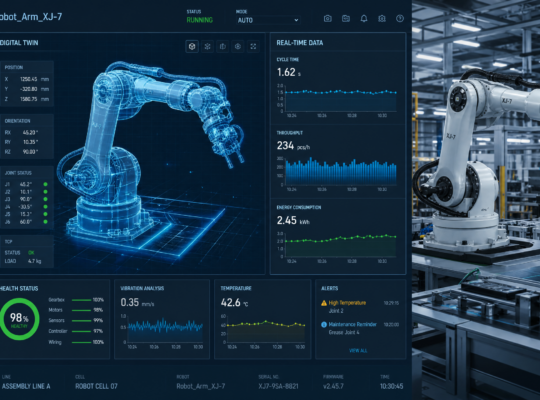
The modern factory floor in 2026 is characterized by pervasive connectivity and intelligent systems. Real-time data, collected from sensors embedded in machinery and products, provides unprecedented visibility into every stage of the production process. This data feeds into agentic systems—AI-powered entities that can analyze complex information, identify anomalies, predict potential issues, and even initiate corrective actions autonomously. Examples include:
Predictive Maintenance: AI algorithms monitor machine health, anticipating failures before they occur, thereby minimizing downtime and optimizing maintenance schedules.
Quality Control: Computer vision systems, powered by AI, perform instantaneous quality checks, identifying defects with greater accuracy and speed than human inspection alone.
Dynamic Production Scheduling: Agentic systems can reconfigure production lines in real-time to respond to changes in demand, supply chain disruptions, or unexpected events, ensuring operational continuity.
Upskilling the Workforce for a Collaborative Future
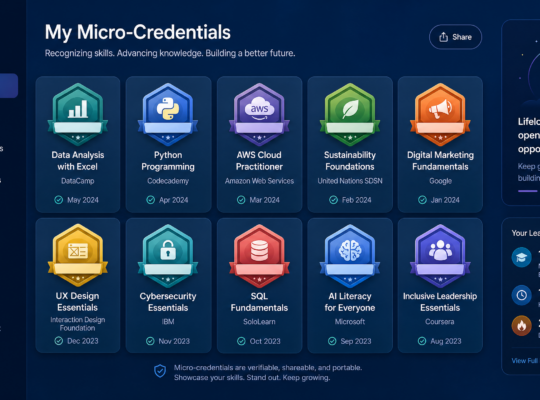
The shift towards human-machine synergy necessitates a significant investment in workforce development. Manufacturers are actively upskilling their employees to work alongside intelligent machines, focusing on areas such as data analytics, AI literacy, robotics operation, and advanced problem-solving. This creates new roles and opportunities, transforming traditional factory jobs into more intellectually stimulating and value-added positions. The collaborative future of manufacturing relies on a workforce that is not only technically proficient but also adaptable and continuously learning.
Conclusion
In 2026, human-machine synergy is the cornerstone of manufacturing excellence. By strategically integrating advanced technologies with a skilled and empowered workforce, manufacturers can achieve unprecedented levels of efficiency, quality, and resilience. This new blueprint for manufacturing not only drives economic growth but also fosters a more engaging and innovative work environment, positioning companies for sustained success in the global industrial landscape.