The logistics industry, a critical backbone of global commerce, is constantly seeking innovative solutions to its most persistent challenge: the ‘last mile’ delivery. This final leg of the delivery journey, from a transportation hub to the customer’s doorstep, is often the most inefficient, costly, and environmentally impactful. In 2026, drones and autonomous ground robots are no longer experimental concepts but are rapidly becoming integral components of last-mile logistics, promising to revolutionize how goods reach consumers.
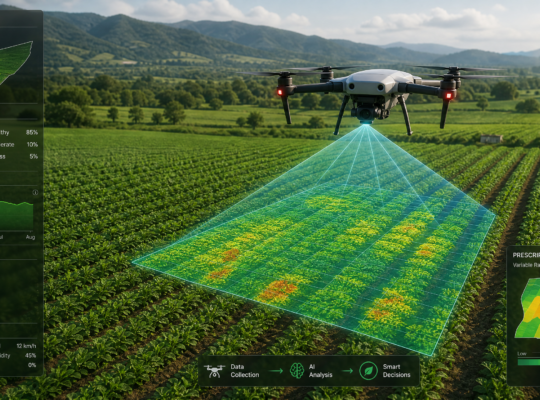
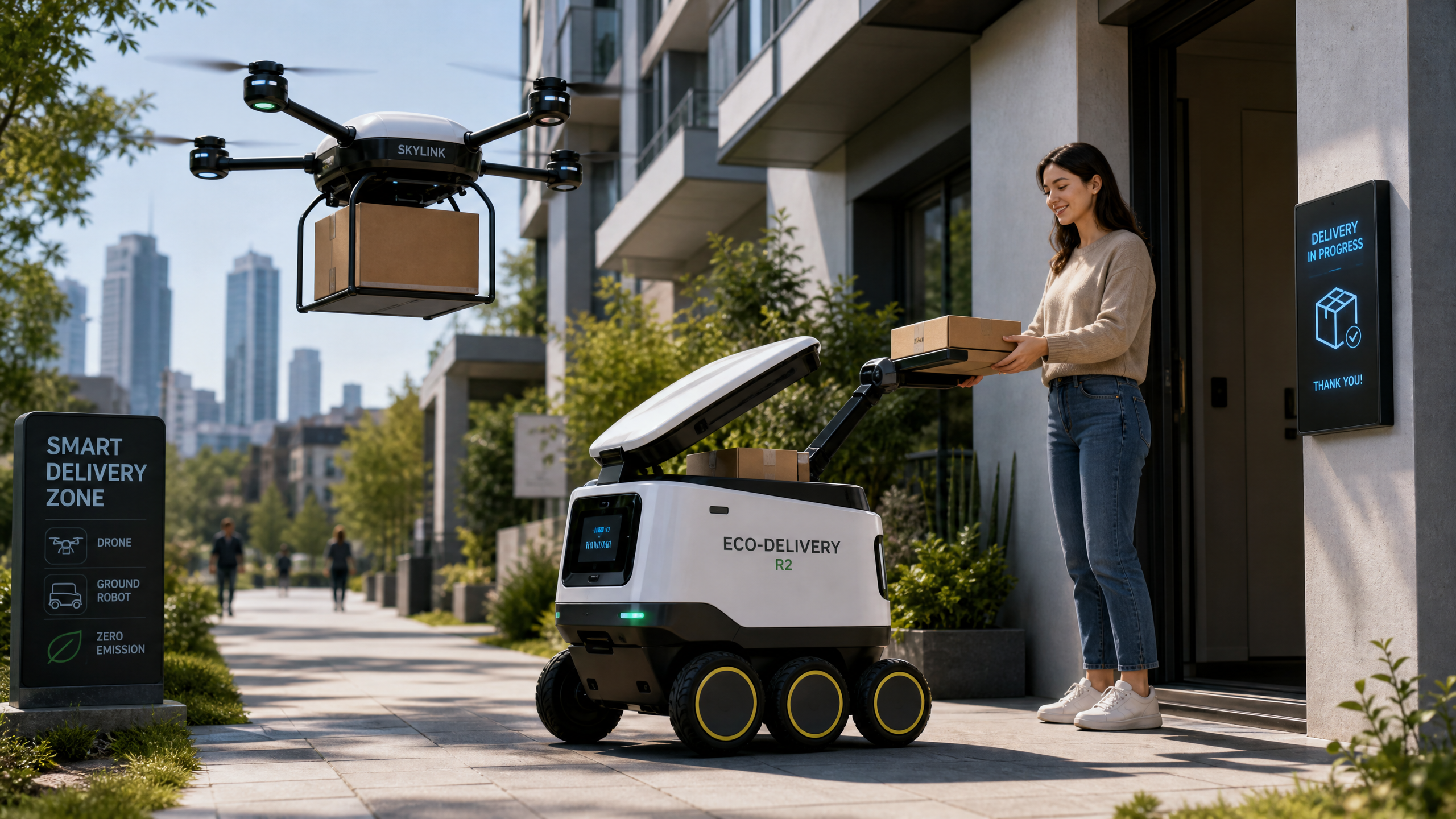
Drone delivery, once a futuristic fantasy, is now a reality in many urban and suburban areas. Companies are deploying fleets of unmanned aerial vehicles (UAVs) to deliver small packages, medical supplies, and even food, bypassing traffic congestion and reducing delivery times significantly. These aerial couriers are particularly effective in areas with challenging terrain or limited road infrastructure, offering a swift and efficient alternative to traditional methods. Advances in battery technology, navigation systems, and regulatory frameworks are accelerating their adoption.
Complementing drones are autonomous ground robots, designed for sidewalk and local street deliveries. These compact, electric vehicles navigate pedestrian areas, delivering groceries, restaurant orders, and other goods directly to homes and businesses. Equipped with an array of sensors, AI-powered navigation, and secure compartments, these bots operate safely and efficiently, often running on renewable energy and contributing to a reduction in carbon emissions. Their ability to operate 24/7 further enhances delivery flexibility and capacity.
The benefits of integrating drones and autonomous bots into last-mile logistics are substantial. Beyond faster delivery times, they offer significant cost reductions by minimizing labor and fuel expenses. Their electric nature contributes to a greener supply chain, aligning with growing environmental concerns. Moreover, they enhance delivery reliability and customer satisfaction by providing more precise delivery windows and reducing instances of missed deliveries.
While challenges remain, including public acceptance, regulatory harmonization, and infrastructure development, the trajectory for autonomous last-mile delivery is clear. As technology continues to mature and integration becomes more seamless, drones and autonomous bots are set to transform urban logistics, making deliveries quicker, cheaper, and more sustainable, ultimately reshaping the future of e-commerce and urban living.