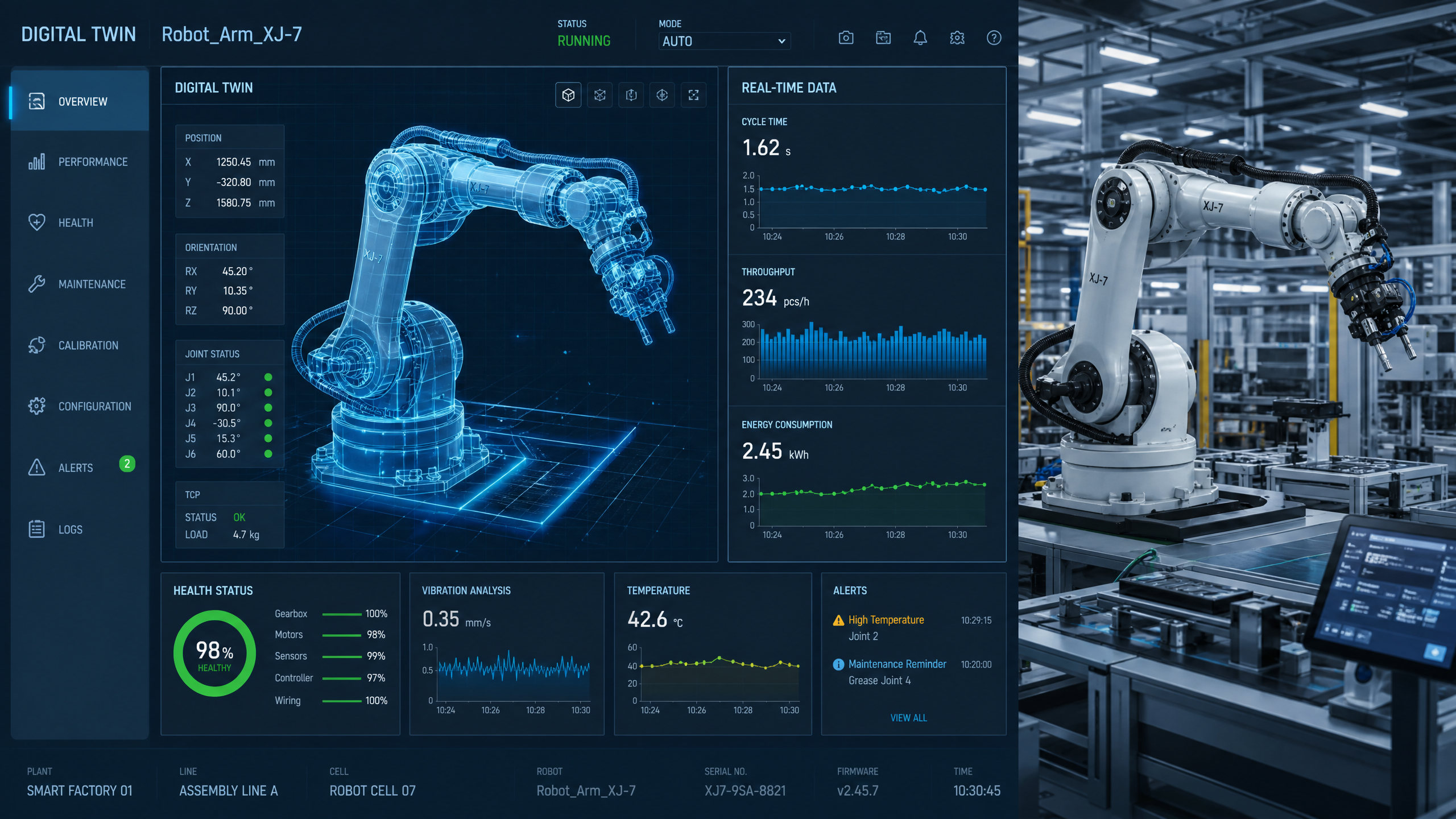
Industry 4.0, the ongoing transformation of traditional manufacturing and industrial practices with smart technology, is reaching new heights in 2026, largely propelled by the widespread adoption of digital twins. These virtual replicas of physical assets, processes, and systems are revolutionizing production lines, offering unprecedented levels of insight, optimization, and predictive capabilities. Digital twins are not just models; they are dynamic, real-time simulations that mirror their physical counterparts, enabling manufacturers to operate with greater efficiency, agility, and resilience.
At its core, a digital twin integrates data from sensors, operational technology, and IT systems to create a comprehensive virtual representation. This allows engineers and managers to monitor the performance of machinery, production lines, and even entire factories in real-time, from anywhere in the world. By analyzing this continuous stream of data, the digital twin can identify potential bottlenecks, predict equipment failures, and optimize operational parameters before any physical intervention is required. This predictive maintenance capability significantly reduces downtime, extends asset lifespan, and lowers maintenance costs.
Beyond monitoring and maintenance, digital twins are invaluable tools for simulation and optimization. Manufacturers can test new production scenarios, experiment with different configurations, and evaluate the impact of changes in a virtual environment without disrupting actual operations. This accelerates product development cycles, improves quality control, and allows for rapid adaptation to market demands. For example, a digital twin of a new product can be used to simulate its manufacturing process, identifying potential issues and refining the design for optimal production efficiency.
The integration of digital twins also facilitates greater collaboration across the value chain. Designers, engineers, production teams, and even suppliers can work with the same virtual model, ensuring alignment and reducing errors. This holistic approach fosters a more interconnected and intelligent manufacturing ecosystem, where data flows seamlessly and decisions are made based on comprehensive, real-time information.
As manufacturing continues its digital evolution, digital twins are becoming an indispensable component of Industry 4.0. They empower businesses to move beyond reactive problem-solving to proactive optimization, driving innovation, enhancing competitiveness, and building the factories of the future.