The landscape of education is undergoing a profound transformation, driven by the rapid pace of technological change and the evolving demands of the global workforce. In 2026, one of the most significant shifts is the rise of micro-credentialing, a flexible and targeted approach to learning that is increasingly challenging the dominance of the traditional four-year degree. This paradigm shift is empowering individuals to become lifelong learners, acquiring specific skills and competencies as needed, rather than through a one-size-fits-all educational journey.
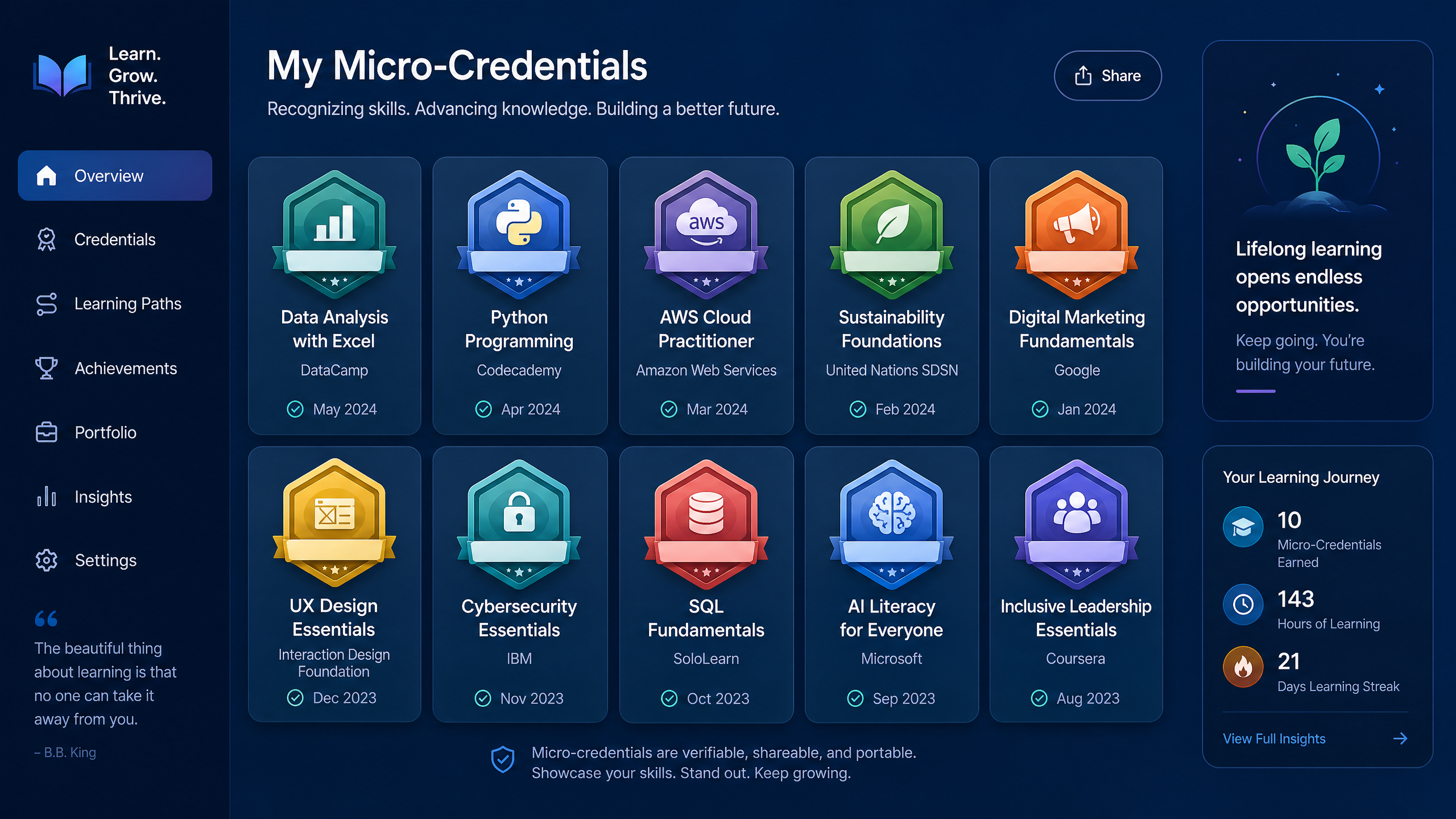
Micro-credentials are verifiable certifications that demonstrate mastery of a particular skill or set of skills. They can range from short online courses and bootcamps to project-based assessments and industry-recognized certifications. Their appeal lies in their agility and relevance; they are designed to address specific skill gaps identified by industries, making graduates immediately employable and adaptable to new roles. For employers, micro-credentials offer a clear and concise way to assess a candidate’s proficiency in critical areas, streamlining the hiring process and ensuring a better fit.
This modular approach to learning is particularly beneficial in fast-evolving fields like technology, where traditional degree programs often struggle to keep pace with innovation. Individuals can stack micro-credentials to build comprehensive skill sets, or use them to upskill and reskill throughout their careers, staying competitive in a dynamic job market. This flexibility democratizes education, making high-quality learning accessible to a broader population, including working professionals and those in underserved communities.
However, the proliferation of micro-credentials also brings challenges, primarily around standardization and quality assurance. Ensuring that these credentials are recognized and valued across different industries and institutions is crucial for their long-term success. Efforts are underway to establish common frameworks and accreditation processes to maintain the integrity and credibility of micro-credentialing programs. The integration of blockchain technology is also being explored to create secure and verifiable digital credentials.
As the concept of a linear career path becomes increasingly outdated, micro-credentialing is emerging as a powerful tool for navigating the future of work. It represents a move towards a more personalized, efficient, and responsive educational ecosystem, where learning is continuous, adaptable, and directly tied to the skills required for success in the 21st century.