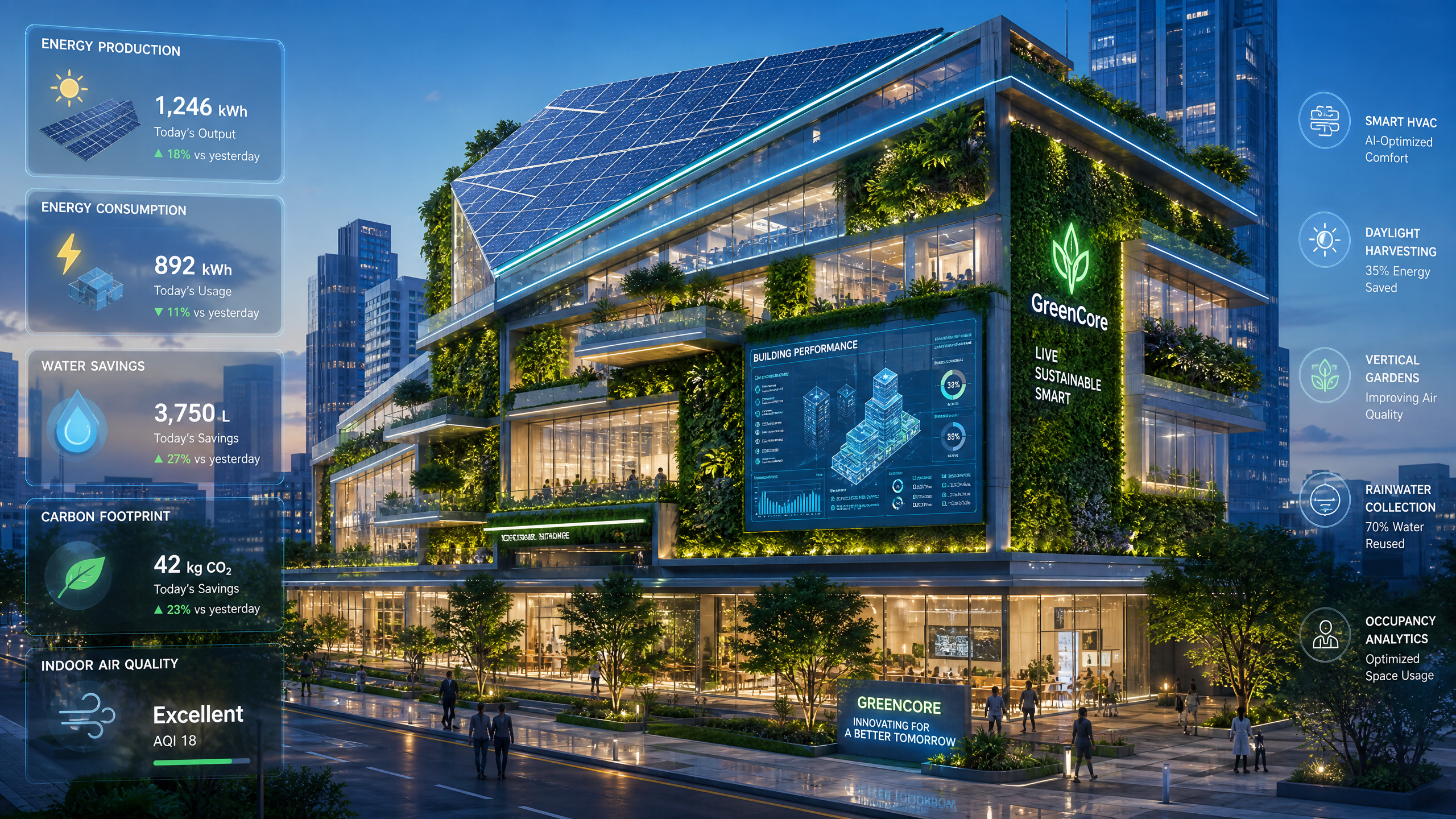
PropTech, the convergence of property and technology, is rapidly transforming the real estate sector, moving beyond simple smart home devices to encompass entire urban ecosystems. In 2026, the vision of smart cities is increasingly becoming a reality, driven by intelligent buildings that are not only energy-efficient but also enhance the well-being and productivity of their occupants. This evolution is redefining how we design, construct, manage, and interact with our built environment.
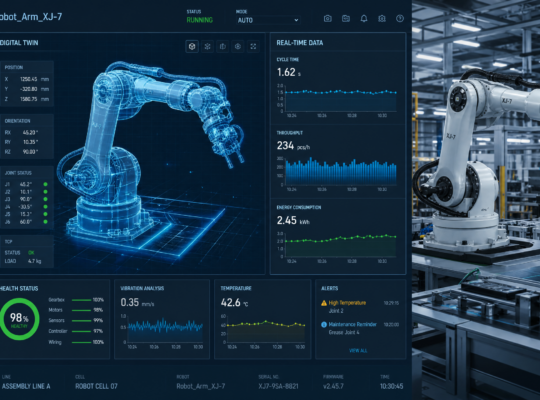
At the heart of smarter buildings are interconnected sensor networks, AI-powered analytics, and advanced automation systems. These technologies enable real-time monitoring and optimization of various building functions, from climate control and lighting to security and waste management. Predictive maintenance, for instance, can identify potential equipment failures before they occur, minimizing disruptions and reducing operational costs. Similarly, intelligent energy management systems can dynamically adjust consumption based on occupancy and external conditions, leading to significant energy savings and a reduced carbon footprint.
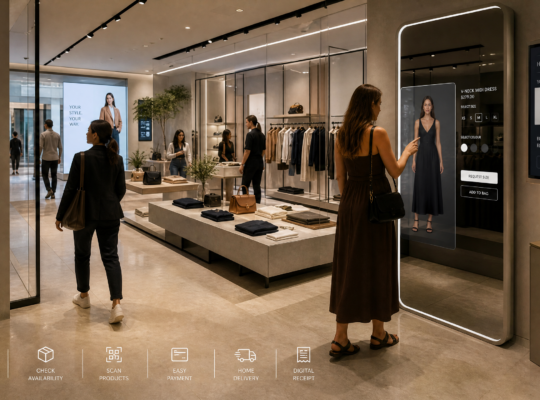
The impact of PropTech extends beyond operational efficiency to improving the occupant experience. Smart buildings offer personalized environments, allowing individuals to control their immediate surroundings, book shared spaces, and access services seamlessly through integrated platforms. This focus on user-centric design is particularly relevant in commercial real estate, where attracting and retaining talent is paramount. Buildings are becoming more than just structures; they are dynamic, responsive environments that adapt to the needs of their inhabitants.
Furthermore, PropTech is playing a crucial role in urban planning and development. Data collected from smart buildings and city infrastructure provides invaluable insights into urban mobility, resource consumption, and public safety. This data-driven approach enables city planners to make more informed decisions, leading to the creation of more sustainable, livable, and resilient urban spaces. From intelligent traffic management to optimized public services, the integration of technology is making cities smarter and more efficient.
As the real estate industry continues its digital transformation, PropTech is not just a trend but a fundamental shift. Businesses and developers that embrace these innovations are not only gaining a competitive edge but are also contributing to the creation of a more intelligent and sustainable future for our cities and the world over.