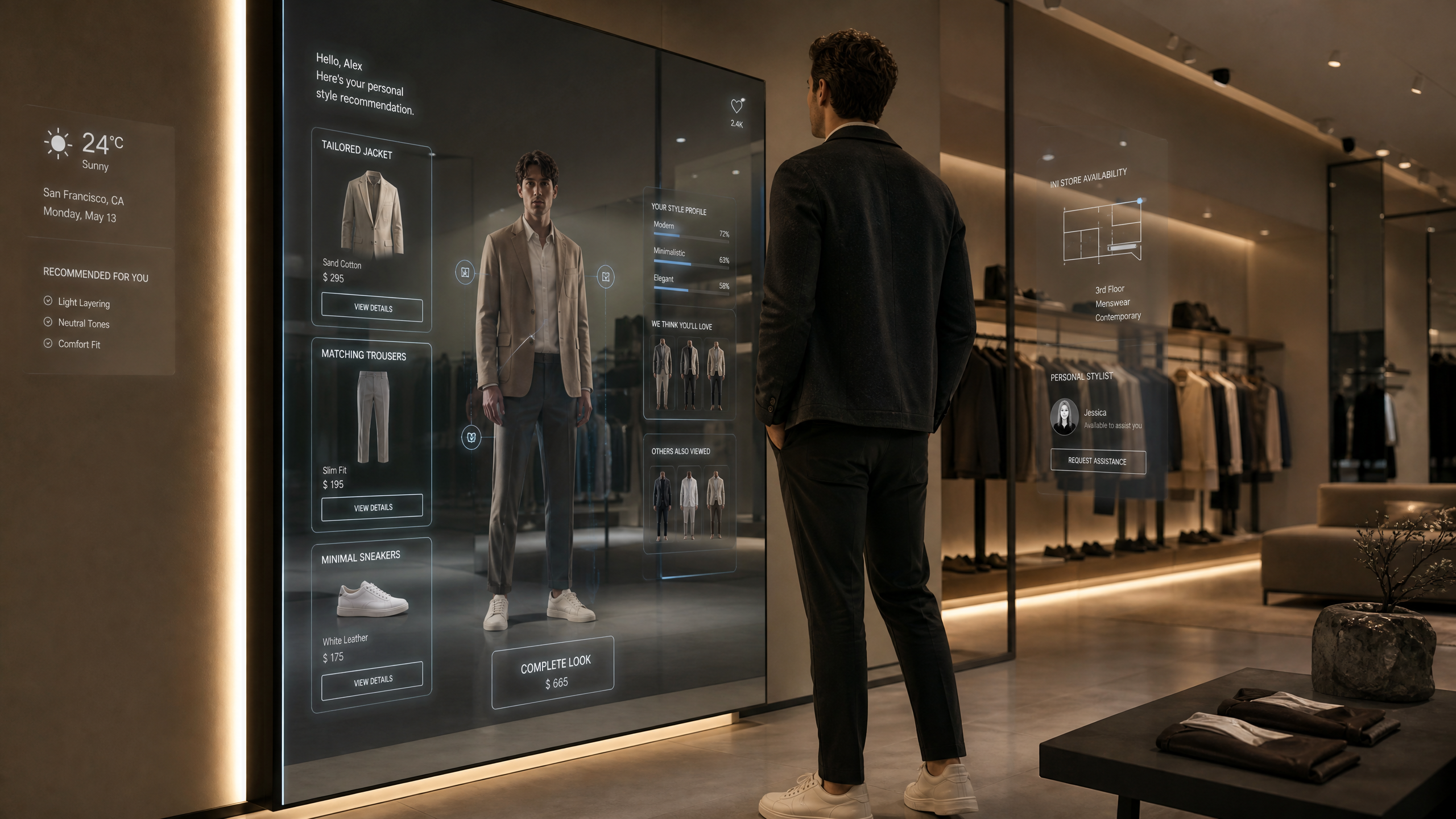
The retail and e-commerce landscape in 2026 is undergoing a profound transformation, driven by the relentless advancement of Artificial Intelligence (AI). The era of generic customer experiences is rapidly fading, replaced by a new paradigm of hyperpersonalization. This shift demands visionary leadership capable of navigating complex technological integrations and evolving consumer expectations, moving beyond basic personalization to predictive, context-aware AI assistants that redefine the shopping
journey [1].
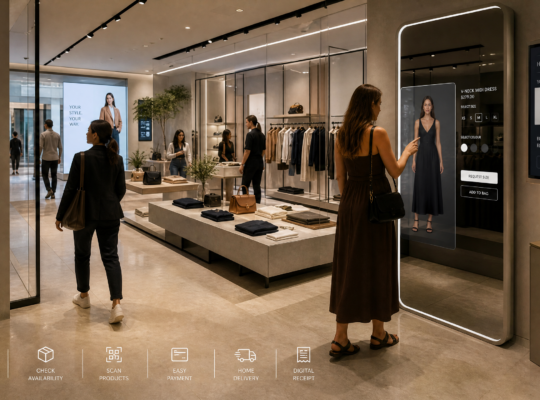
Historically, personalization in retail involved recommending products based on past purchases or browsing history. While effective to a degree, 2026 sees the emergence of sophisticated AI systems that anticipate customer needs and preferences with remarkable accuracy. These agentic AI assistants leverage vast datasets, including real-time behavior, demographic information, and even emotional cues, to offer truly bespoke experiences. For instance, AI algorithms now suggest products a customer might need before they even realize it, based on life events, seasonal changes, or predictive analytics of their lifestyle. Whether a customer is browsing on their phone, interacting with a smart mirror in-store, or chatting with a virtual assistant, the AI maintains a consistent, context-rich understanding of their journey. Furthermore, AI optimizes pricing and promotional offers in real-time, ensuring relevance and maximizing conversion rates while maintaining profitability.
In the hyper-personalized era, customers expect a seamless and consistent experience across all touchpoints—web, mobile, social media, and physical stores. Leaders must champion an omnichannel strategy that breaks down traditional silos and integrates data and AI capabilities across the entire retail ecosystem. This involves creating unified customer profiles that provide a single, comprehensive view of each customer, accessible and actionable across all channels. Investing in flexible, scalable AI platforms is also essential to power personalization efforts consistently, regardless of the customer’s chosen interaction point. Most importantly, fostering an organizational culture where every team member understands their role in delivering exceptional, personalized customer experiences is paramount to success.
As AI becomes more pervasive, consumer trust and confidence emerge as critical differentiators. Customers are increasingly aware of how their data is used, and transparency is paramount. Leaders must prioritize ethical AI practices, ensuring data privacy, security, and clear communication about the benefits of personalization. When customers feel confident that their data is handled responsibly and that AI is genuinely enhancing their experience, this trust translates into loyalty and, ultimately, higher conversion rates. Confidence, therefore, becomes the new conversion currency in the AIdriven retail revolution.
The hyper-personalization era, powered by advanced AI, is reshaping retail. Leaders who embrace this transformation with strategic vision, a commitment to omnichannel excellence, and an unwavering focus on building consumer confidence will be the ones to thrive in the dynamic and competitive landscape of 2026 and beyond.
References
[1] InsiderOne. (2026). AI in Retail: 10 Trends Reshaping Shopping in 2026.
https://insiderone.com/ai-retail-trends/